Waterproof Materials for Off-Grid Camping: Your Complete Guide
When you're miles from the closest road, protected under a dimming sky with rainfall hammering the cover, the high quality of your waterproof equipment quits being a comfort issue and ends up being a survival one. Off-grid outdoor camping strips away every safety net-- no nearby store, no completely dry auto to pull back to, no quick fix. Selecting the best waterproof products prior to you head out can make the distinction between a remarkable experience and a miserable, possibly unsafe experience.
Why Waterproofing Matters Extra Off-Grid
Automobile campers can pay for to cut edges. If an affordable rain coat soaks through, you rush back to the vehicle. Off-grid campers do not have that high-end. Extended backcountry journeys, bushcraft configurations, and remote basecamp living demand products that do reliably throughout days or weeks of unforeseeable weather condition. Damp equipment leads to hypothermia threat, damaged food supplies, wrecked electronic devices, and damaged spirits. Comprehending waterproof products isn't just gear-geek region-- it's practical expertise every severe off-grid camper needs.
Trick Waterproof Materials and Just How They Function
Gore-Tex and ePTFE Membranes
Gore-Tex remains the gold criterion for waterproof-breathable fabrics. Made from increased polytetrafluoroethylene (ePTFE), it features billions of tiny pores that are little adequate to obstruct water beads however huge sufficient to enable water vapor (sweat) to escape. This breathability is essential during arduous off-grid activity like route blazing, climbing, or carrying heavy packs.
For shelters and clothing alike, Gore-Tex and its competitors-- occasion, Pertex Shield, and Polartec NeoShell-- supply outstanding waterproofing without transforming you into a walking sauna. The compromise is cost. These membrane layers are expensive, however their resilience and efficiency warrant the financial investment for major off-grid use.
Silnylon and Silpoly
When it concerns tarps, tent flies, and groundsheets, silicone-coated nylon (silnylon) and silicone-coated polyester (silpoly) are hard to beat. Both materials are dealt with on both sides with fluid silicone, developing an extremely water resistant, ultralight, and packable textile.
Silpoly has a minor edge for off-grid camping because it extends less when damp, indicating your tarpaulin stays taut and properly pitched also throughout prolonged downpours. Silnylon, while a little lighter, can droop as it absorbs moisture stress. Either material sheds rainfall incredibly well and dries out quick-- two qualities that matter enormously when you're breaking camp in damp problems.
Dyneema Composite Fabric (DCF)
Previously referred to as Cuben Fiber, Dyneema Composite Textile is the premium choice for ultralight off-grid campers that reject to jeopardize. DCF is non-woven, inherently waterproof (no coating called for), and astonishingly strong for its weight. It does not take in water at all, so it never ever gets heavier in the rainfall.
The downside is the rate-- DCF shelters and bags lug a considerable costs. However, for lengthy off-grid expeditions where every gram matters and reliability is non-negotiable, DCF supplies unequaled performance.
Polyurethane-Coated Fabrics
Polyurethane (PU) finish is the most usual waterproofing method on budget to mid-range gear. Applied to the internal face of nylon or polyester, how to build a tent platform PU coatings create a waterproof obstacle that works well originally. The problem is longevity-- PU layers deteriorate with time, particularly with UV exposure, folding, and duplicated compression. You might discover peeling off or a sticky inner surface area on older PU-coated gear.
For off-grid camping on a budget, PU-coated sanctuaries and rain equipment are a sensible beginning point, yet factor in the demand for regular reproofing with DWR (Sturdy Water Repellent) sprays to preserve efficiency.
Waterproofing for Certain Equipment Categories
Sanctuaries and Tarps
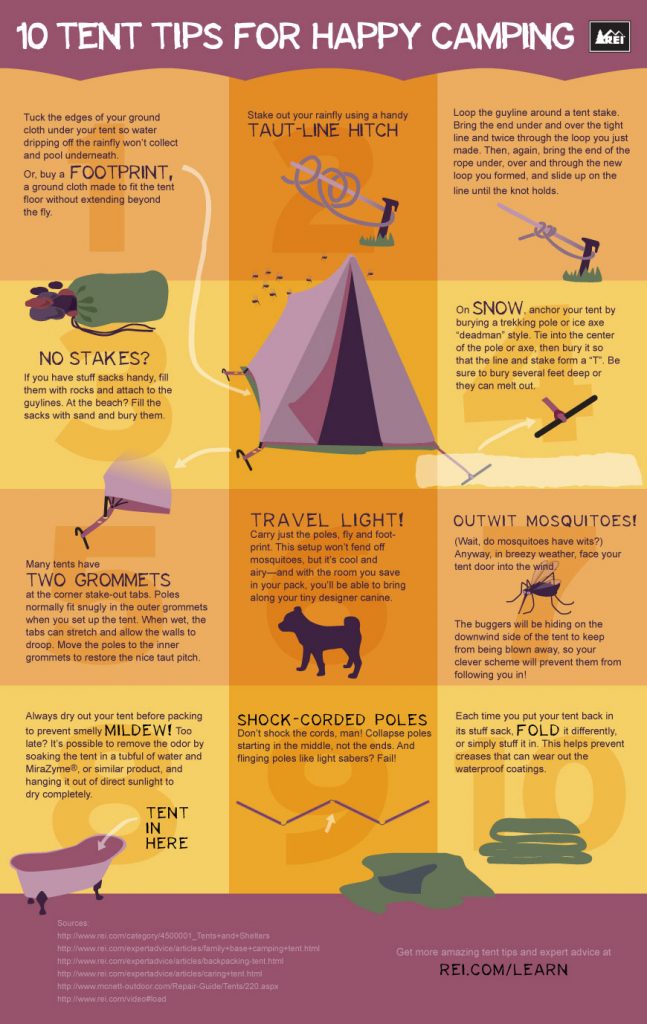
Your sanctuary is your first line of defense. Focus on silpoly or silnylon tarpaulins for open-air configurations, and try to find tents with completely taped joints and bathtub-style floorings. Joint securing is just as crucial as the textile itself-- even the very best water resistant product stops working at unsealed seams.
Clothing and Shoes
Layer wisely: a Gore-Tex or ePTFE shell over moisture-wicking base layers keeps you completely dry from both rainfall and sweat. For shoes, waterproof-breathable boots are vital in wet terrain, though totally water-proof boots can trap moisture in warmer problems-- take into consideration the environment meticulously.
Dry Bags and Load Covers
Even waterproof packs benefit from inner completely dry bags. Use roll-top completely dry bags made from TPU-laminated or PVC-coated textiles to safeguard sleeping bags, electronic devices, and garments. A separate pack cover includes an added layer of insurance coverage during heavy rain.
Final Ideas
Water resistant materials aren't one-size-fits-all. The right selection relies on your spending plan, the weight you want to carry, the period of your journey, and the climate you're heading right into. Purchase comprehending what your gear is made from, maintain it effectively, and never head right into the backcountry presuming the weather will certainly comply. In off-grid camping, prep work is whatever-- and water-proof materials are the structure of staying safe, comfortable, and ready for whatever the wilderness throws at you.